Easy Portobello Mushroom Pappardelle Recipe
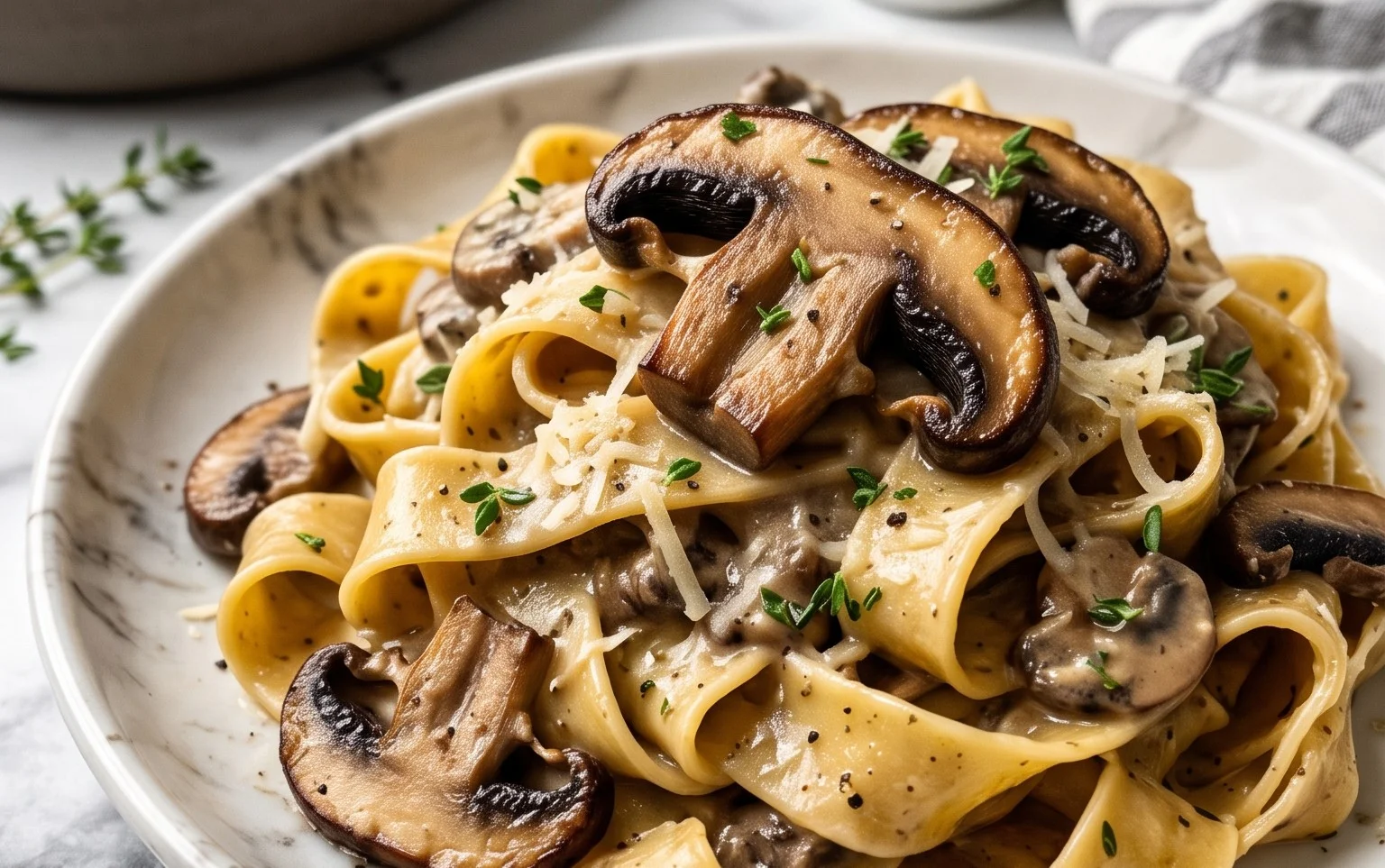
Portobello Mushroom Pappardelle is the kind of dish that hugs you from the inside. It has this deeply satisfying, earthy flavor from the mushrooms that just coats the wide pappardelle noodles perfectly. It’s rustic and feels special without being fussy, making it ideal for both a relaxed weeknight dinner and a slightly more put-together weekend meal. What I love most is how the simple ingredients come together to create such a rich taste. The mushrooms get incredibly tender and their savory notes are amplified by the garlic, rosemary, and a hint of chili heat. The wide pappardelle ribbons are ideal for soaking up every bit of the flavorful sauce, making sure each bite is as good as the last. This is a recipe that proves you don’t need a ton of complicated steps or rare ingredients to make something truly delicious.
Cooking Instructions:
Ingredients:
- 3 tablespoons extra-virgin olive oil
- 2 medium thinly sliced shallots (to equal ½ cup)
- Kosher salt
- 10-12 ounces portobello mushroom caps (sliced into 1-inch pieces)
- 8 ounces fresh or dried pappardelle pasta
- 2 tablespoons tomato paste
- 2 finely sliced garlic cloves
- 2 teaspoons finely chopped fresh rosemary leaves
- ½ teaspoon crushed red pepper
- 2 teaspoons balsamic vinegar
- 3 tablespoons unsalted butter
- 1 chunk Parmigiano Reggiano or Parmesan cheese
Cooking Instructions:
This Portobello Mushroom Pappardelle is the kind of comforting, deeply savory dish that feels special enough for a weekend dinner but is straightforward enough for a weeknight. The mushrooms get beautifully tender and release all their earthy flavor, while the pappardelle, with its wide ribbons, is perfect for catching all the delicious sauce. It’s simple, satisfying, and relies on good ingredients to shine.
Prep the Vegetables and Mushrooms: Start by prepping your aromatics. Thinly slice your shallots. I like to aim for about half a cup, which usually takes two medium-sized ones. These will provide a gentle sweetness to the sauce. Next, finely slice your garlic cloves. Two cloves are usually plenty to give a good garlic flavor without being overpowering. Now for the star: the portobello mushrooms. You’ll want to clean them gently with a damp paper towel to remove any dirt. Then, slice the caps into roughly 1-inch pieces. Don’t worry too much about perfect uniformity; they’ll cook down and soften regardless. If the stems are thick and woody, you can trim them off, but otherwise, slice them right along with the caps. Set everything aside.
Cook the Pappardelle: Get a large pot of generously salted water boiling for your pappardelle. Think of it like the sea – it should taste like it. Add your 8 ounces of pappardelle. If you’re using fresh pappardelle, it will cook very quickly, usually in just 2-4 minutes. Keep a close eye on it; you want it al dente, meaning it still has a slight bite to it. If you’re using dried pappardelle, follow the package directions, but aim for that same al dente texture. Before you drain the pasta, make sure to reserve about a cup of the starchy pasta water. This is liquid gold for building your sauce and emulsifying it beautifully. Drain the pasta and set it aside. You can toss it with a tiny bit of olive oil to prevent sticking if you won’t be using it immediately, but it’s best to have it ready just before you finish the sauce.
Sauté the Mushrooms and Build the Sauce Base: In a large skillet or Dutch oven, heat your 3 tablespoons of extra-virgin olive oil over medium-high heat. Add the sliced portobello mushrooms in a single layer if possible. You might need to do this in batches to avoid crowding the pan, which will steam the mushrooms instead of browning them. Let them cook undisturbed for a few minutes until they start to develop a nice golden-brown color on one side. Season them generously with kosher salt. Once they’ve browned, give them a stir and continue cooking until they are tender and have released most of their moisture. This usually takes about 8-10 minutes. Push the mushrooms to one side of the skillet and add the thinly sliced shallots to the other side. Cook the shallots for 3-4 minutes until they start to soften and become translucent. Now, add the finely sliced garlic, 2 teaspoons of finely chopped fresh rosemary leaves, and ½ teaspoon of crushed red pepper to the skillet with the shallots. Cook for another minute until fragrant, being careful not to burn the garlic. Stir everything together with the mushrooms.
Develop the Sauce: Stir in the 2 tablespoons of tomato paste into the mushroom and shallot mixture. Cook, stirring constantly, for about 1-2 minutes. This step is important for toasting the tomato paste and deepening its flavor. It should start to darken slightly in color. Deglaze the pan with 2 teaspoons of balsamic vinegar, scraping up any browned bits from the bottom of the skillet. Let the vinegar bubble and reduce for about 30 seconds. This adds a lovely tang and complexity to the sauce. Pour in about ½ cup of the reserved pasta water. Bring the mixture to a simmer and let it cook for a few minutes, allowing the flavors to meld and the sauce to thicken slightly. If it seems too thick, you can add a little more pasta water. Stir in the 3 tablespoons of unsalted butter until it’s fully melted and incorporated. This will give the sauce a beautiful richness and glossy finish. Taste the sauce and adjust seasoning with kosher salt if needed. Remember that the Parmesan cheese you’ll add later will also contribute saltiness.
Combine and Serve: Add the cooked pappardelle directly into the skillet with the mushroom sauce. Toss gently to coat all the pasta ribbons evenly. If the sauce seems a little tight, add a splash more of the reserved pasta water to loosen it up until it coats the pasta beautifully. You want the sauce to cling to the pasta, not sit in a pool at the bottom of the pan. Once the pasta is well coated and heated through, serve immediately. Grate a generous amount of Parmigiano Reggiano or Parmesan cheese over the top of each serving. The warmth of the pasta will help melt the cheese into the dish, adding another layer of savory flavor. This dish is best enjoyed right away, while the pasta is perfectly cooked and the sauce is warm and inviting.
Conclusion:
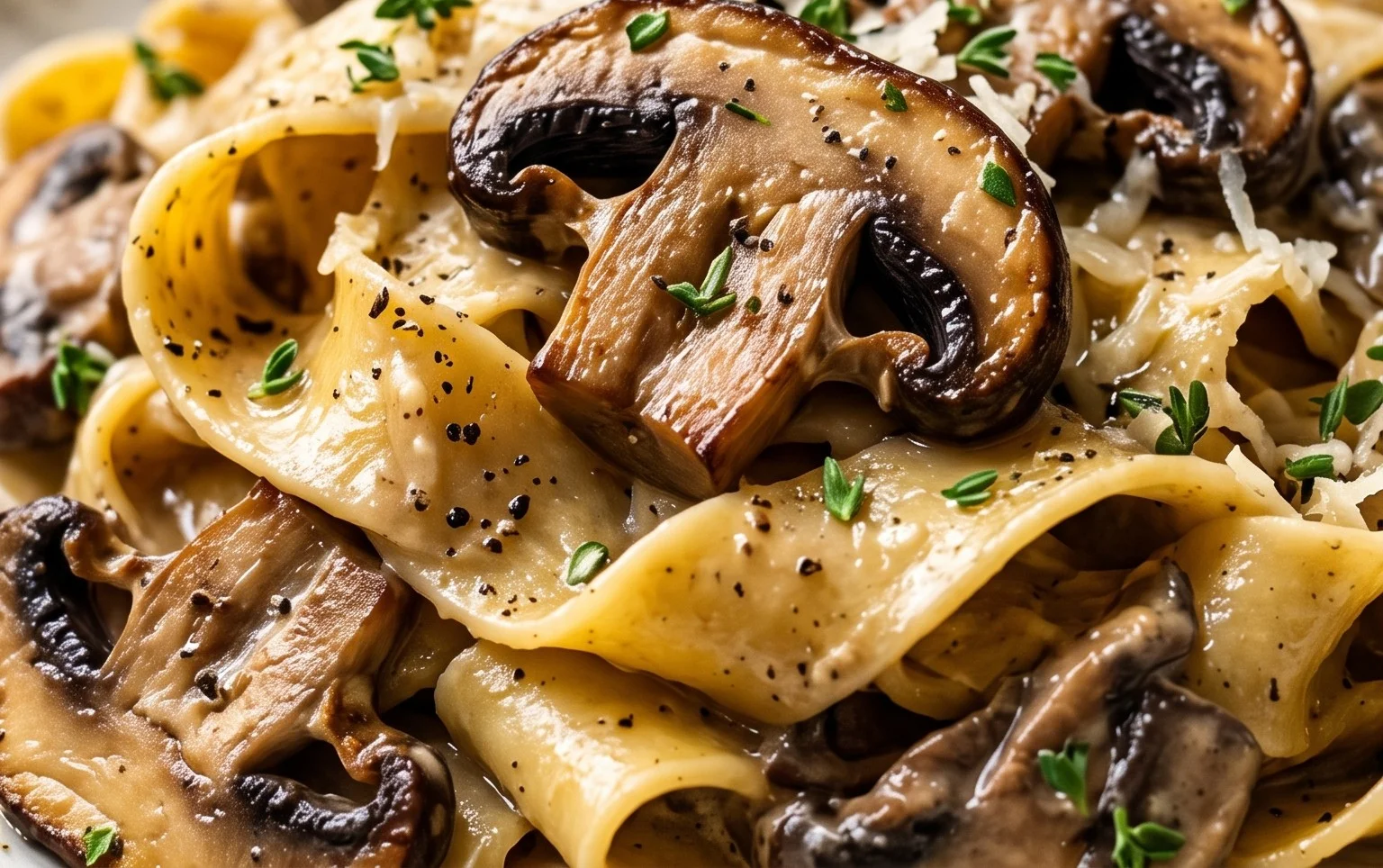
This Portobello Mushroom Pappardelle really is a weeknight winner that doesn’t skimp on flavor. The way the earthy mushrooms meld with the tender pasta and the simple, savory sauce is just fantastic. It’s proof that straightforward cooking with good ingredients can result in a meal that feels both comforting and elegant. Whether you’re feeding yourself after a long day or looking for an impressive-yet-easy dish to share with friends, this recipe delivers. Don’t hesitate to give it a try; you’ll likely find yourself making it again and again.
Serving Suggestions:
I love serving this pasta with a simple green salad tossed with a light vinaigrette to cut through the richness. A sprinkle of extra Parmesan cheese right before serving is a must for me. Crusty bread is also great for mopping up any leftover sauce.
Variations:
If you don’t have pappardelle, fettuccine or even linguine will work well, though you’ll miss out on some of that sauce-holding capacity. For a bit more depth, you could add a splash of white grape juice to the pan after cooking the mushrooms and let it reduce before adding the tomato paste. A handful of fresh spinach wilted in at the end is also a nice addition.
Frequently Asked Questions:
Can I use a different type of mushroom?
Absolutely. While portobellos offer a deep, meaty flavor, cremini mushrooms (baby bellas) are a good substitute. You might need a bit more seasoning to get the same intensity, and they might not release as much liquid. Just slice them similarly.
How do I store leftovers?
Leftovers can be stored in an airtight container in the refrigerator for up to 3 days. Reheat gently on the stovetop with a splash of water or broth, or in the microwave. The pasta may absorb more sauce as it sits, so a little liquid during reheating can help revive it.
Is this recipe vegetarian?
Yes, this Portobello Mushroom Pappardelle is naturally vegetarian, relying on mushrooms and cheese for its savory character. Just be sure to use a vegetarian Parmesan if that’s a concern for you.
Portobello Mushroom Pappardelle
A rich and savory pasta dish featuring tender portobello mushrooms and wide pappardelle noodles, elevated with balsamic vinegar and fresh rosemary.
Ingredients
-
3 tablespoons extra-virgin olive oil
-
2 medium thinly sliced shallots
-
10-12 ounces portobello mushroom caps, sliced into 1-inch pieces
-
8 ounces fresh or dried pappardelle pasta
-
2 tablespoons tomato paste
-
2 finely sliced garlic cloves
-
2 teaspoons finely chopped fresh rosemary leaves
-
½ teaspoon crushed red pepper
-
2 teaspoons balsamic vinegar
-
3 tablespoons unsalted butter
-
Parmigiano Reggiano or Parmesan cheese, for serving
Instructions
-
Step 1
Heat olive oil in a large skillet over medium-high heat. Add shallots and cook until softened, about 3-4 minutes. Season with kosher salt. -
Step 2
Add portobello mushrooms to the skillet and cook, stirring occasionally, until browned and tender, about 8-10 minutes. Season with kosher salt. -
Step 3
While mushrooms cook, boil pappardelle pasta in a large pot of salted water according to package directions until al dente. Reserve ½ cup of pasta water before draining. -
Step 4
Push mushrooms to one side of the skillet. Add tomato paste to the empty side and cook for 1 minute, stirring. Add garlic, rosemary, and crushed red pepper, and cook for 1 minute more until fragrant. -
Step 5
Stir in balsamic vinegar and cook for 30 seconds. Add butter and stir until melted. Return mushrooms to the center and toss to combine with the sauce. -
Step 6
Add drained pappardelle to the skillet with the mushroom mixture. Toss to coat. If the sauce is too thick, add a little reserved pasta water until desired consistency is reached. Season with kosher salt to taste. -
Step 7
Serve immediately, topped with freshly grated Parmigiano Reggiano or Parmesan cheese.
Important Information
Nutrition Facts (Per Serving)
It is important to consider this information as approximate and not to use it as definitive health advice.
Allergy Information
Please check ingredients for potential allergens and consult a health professional if in doubt.